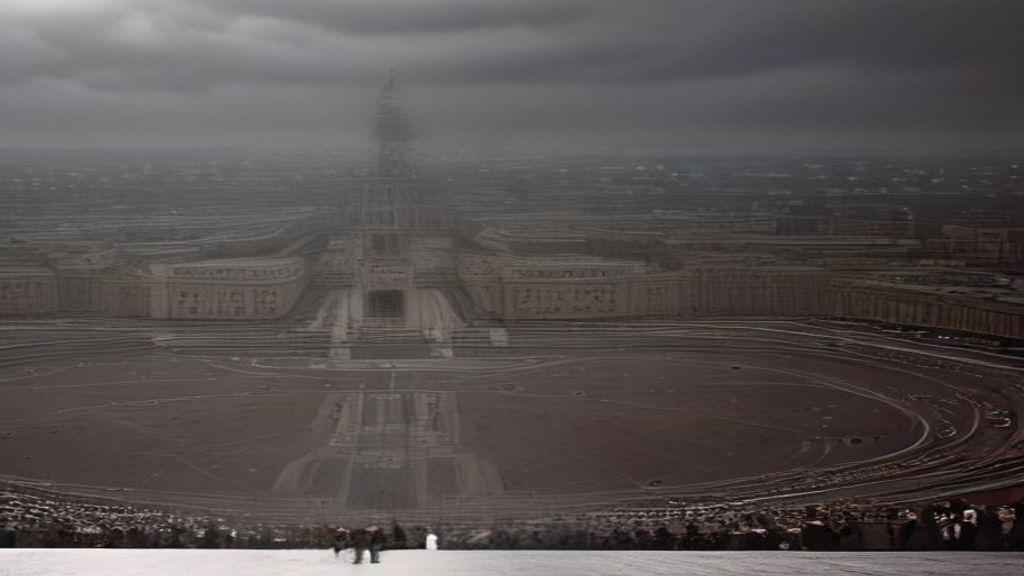
In the wake of renewed military escalations and devastating aerial strikes, the Vatican has once again stepped forward as a prominent moral voice during a period of intense global geopolitical conflict. Pope Leo has delivered an emotional appeal, stating that his heart goes out to the suffering Ukrainian people as civilians face another grueling chapter of uncertainty and destruction.
The Papal statement arrives at a critical juncture in the ongoing war. As crucial civilian infrastructure faces renewed attacks, high-level diplomatic envoys from the United States have arrived in Kyiv to evaluate the situation on the ground, assess security needs, and explore potential pathways toward reviving peace talks.
A Heartfelt Call for Compassion and Peace
During his address, the Pontiff expressed profound sorrow over the persistent violence impacting innocent lives across Ukraine. Highlighting the heavy psychological and physical toll on families, children, and the elderly, the Pope reiterated that military force cannot bring a lasting resolution to conflict—it leaves behind only widespread human suffering.
- Humanitarian Focus: The Vatican urged immediate global assistance for displaced citizens and protection for essential civilian infrastructure.
- Spiritual Solidarity: A direct call to international communities to maintain active solidarity through humanitarian relief and moral support.
- Urgency of Dialogue: A firm reminder that political courage must be measured by a willingness to pursue peaceful negotiations rather than military escalation.
US Envoys Arrive in Kyiv Amid Escalating Tensions
The timing of the Vatican’s renewed peace plea aligns with high-stakes international maneuvers. The arrival of U.S. envoys in Kyiv comes as defense analysts and global leaders evaluate the strategic balance in Eastern Europe. The diplomatic mission aims to discuss ongoing security assistance, humanitarian emergency response, and the long-term feasibility of a negotiated ceasefire.
While Western nations continue to balance defense support with diplomatic strategy, the Vatican operates from a distinctly different vantage point. The contrast highlights two parallel tracks in global affairs: traditional military and state diplomacy focused on strategic balance, and spiritual diplomacy centered strictly on human rights, de-escalation, and humanitarian aid.
The Holy See’s Unique Diplomatic Mandate
Unlike nation-states, the Vatican does not hold geopolitical or territorial interests. This position allows the Holy See to act as an impartial mediator in international conflicts. Throughout modern history, papal diplomacy has proven instrumental in keeping communication lines open during periods when traditional diplomatic channels are frozen.
In the context of the Ukraine conflict, the Vatican’s diplomatic apparatus has consistently focused on concrete humanitarian initiatives, including:
- Facilitating prisoner-of-war exchanges between conflict parties.
- Supporting the return of displaced children and vulnerable groups.
- Advocating for safe humanitarian corridors in heavily impacted conflict zones.
By maintaining dialogue across political spectrums, the Holy See attempts to preserve a diplomatic bridge for the day when formal negotiations become possible.
Roadblocks to a Lasting Ceasefire
Achieving a genuine ceasefire remains extraordinarily complex. Both sides remain divided over core issues such as territorial sovereignty, international security guarantees, and terms of long-term stability. Recent strikes on energy grids and residential areas have further eroded trust, complicating diplomatic breakthroughs.
Nevertheless, geopolitical experts emphasize that multi-track diplomacy is vital. Moral appeals from global leaders like the Pope play a crucial role in preventing global compassion fatigue, ensuring that the human cost of war remains central in the minds of policymakers and the international public.
Looking Ahead: Can Moral Leadership Drive Diplomacy?
As winter challenges mount and conflict persists, the Pope’s message serves as a powerful reminder of the human lives caught in the balance. Decisions made in global capitals will determine the strategic trajectory of the region, but moral voices ensure that ethical imperatives are not lost in tactical calculations.
Whether the latest round of international visits to Kyiv will pave the way toward meaningful negotiations remains uncertain. What is undeniable is that global calls for peace—rooted in human dignity and compassion—will continue to resonate strongly on the world stage.
Frequently Asked Questions
What did the Pope say regarding the situation in Ukraine?
The Pope expressed deep emotional solidarity with the Ukrainian people, stating that his heart goes out to those suffering from ongoing military strikes, and renewed his urgent call for a peaceful resolution and ceasefire.
Why were US envoys visiting Kyiv?
US envoys landed in Kyiv to assess security needs, review humanitarian conditions following recent attacks, and explore diplomatic options for potential peace negotiations.
What role does the Vatican play in international peace talks?
The Vatican serves as an impartial moral authority focusing on humanitarian efforts, such as facilitating prisoner exchanges, advocating for civilian safety, and encouraging diplomatic dialogue between conflicting parties.

